Moira A. Law*†
- Department of Psychology, Saint Mary’s University, Halifax, NS, Canada
Globally, young people are experiencing unprecedented levels of socio-emotional loneliness, stress, and uncertainty. Formulating insight into their own and others’ experiences and behaviors is especially important during unsettling times and can be facilitated with socioemotional learning (SEL) curriculums. When implementing SEL programs, their success heavily depends upon teachers’ levels of commitment and comfort with the curriculum, as well as their perceived support from the administration; this is important and rarely studied. The current phenomenological qualitative study examined teachers’ experience during the early implementation of a new SEL, the Human Dignity Curriculum, (HDC) with middle school students in two small schools in Canada and the United States of America. Semi-structured interviews, using a four-question protocol developed for this study, were conducted with teachers who had completed teaching a 10-week module, as well as both school administrators. Written informed consent was obtained from each volunteer interviewee. Participants were asked, (1) Tell me about your experience while teaching HDC; (2) what was your commitment level to teaching HDC? (3) What was your comfort level with teaching HDC? (4) Did you feel supported by your administration when preparing and teaching HDC? Inductive thematic analysis identified five themes indicating HDC was a (1) user-friendly, (2) high value curriculum; (3) teachers felt supported teaching it; and a (4) shared language, (5) and shared teacher-student experience evolved when teaching HDC. Future research to replicate this initial evaluation of teachers’ experience and exploration of HDC’s potential impacts on youths’ well-being and related behavioral outcomes appears warranted.
Introduction
“I could see that there’s a change in the way that people view each other and treat each other. This program centers it back to we are all the same, we all struggle, we all go through things.”
-Teacher Interviewee, May 2023
Youth are distressed (Owais et al., 2022; Van Meter et al., 2023) due to a variety of reasons (Keles et al., 2020; Paul et al., 2022). Effective preventative measures for bolstering youth well-being include socioemotional learning (SEL) programs delivered in schools (Cavioni et al., 2020; Gueldner et al., 2020; Ağırkan and Ergene, 2022; Durlak et al., 2022). When implementing new curriculums, successful implementation of the program depends heavily upon teachers’ commitment to the curriculum (Rahman et al., 2019; Muliyah and Aminatun, 2020), their level of comfort with it (Ramirez et al., 2018; Margot and Kettler, 2019; Lee and Perret, 2022), as well as their perceived support from their school administration (Brackett et al., 2012). Despite the recognized importance of teachers’ expectations and beliefs about SEL, few studies examine teachers’ early implementation experience when adopting these programs (Schiepe-Tiska et al., 2021).
Socio-emotional learning curriculums
Social emotional learning occurs when individuals learn how to integrate their emotions, attitudes, and thinking into healthy identities and behaviors that support their activities of daily living and life goals (Zins, 2004). SEL curriculums have been developed to help youth gain insight into themselves and others’ behaviors (Corcoran et al., 2018), improve interpersonal skills (Durlak et al., 2022), develop social networks (Llamas-Díaz et al., 2022; Wigelsworth et al., 2022), and generate a sense of belonging (Parr et al., 2020), self-esteem (Harris and Orth, 2020), and self-efficacy (Pannebakker et al., 2019). SEL can help students socially and emotionally by giving participants specific language and shared experiences to foster self-expression (Sun et al., 2022). These skills can further serve as protective factors for future mental health outcomes, as well as reducing present struggles with aggression, emotional distress, and internalizing/externalizing problems (Portnow et al., 2018; Ağırkan and Ergene, 2022; LaBelle, 2023). As Bouffard writes in their recent article in The Learning Professional “… the need for SEL is greater than ever” (Bouffard, 2021).
Evaluation of SEL programs
Successful implementation of new SEL programs is important (Oberle et al., 2020; Akelaitis and Janiunaite, 2023). For instance, teachers may struggle with SEL programs that are rigid and inflexible and cannot be tailored to their individual classroom needs (Martínez, 2016), or teachers may experience little emotional or pragmatic support from school administration when incorporating SEL in their classroom (Durlak and DuPre, 2008). Sometimes there can be a poor fit between the SEL and the school’s mission statement/goals, or limited training for teachers before teaching the curriculum (Moldovan, 2020; McCoy and Hanno, 2023; Sooknanan, 2023). There are a variety of barriers that can arise during implementation of a new curriculum in school settings and teachers’ voices are essential in this process (Diaz-Larenas et al., 2015; Martínez, 2016; Solomon, 2016; Venné, 2022). Creating conditions that support teachers’ during the implementation of SEL programs and practices has been recognized as important (Lawson et al., 2019) and studies that report on early implementation of new SEL curriculums should be normative.
The Human Dignity Curriculum
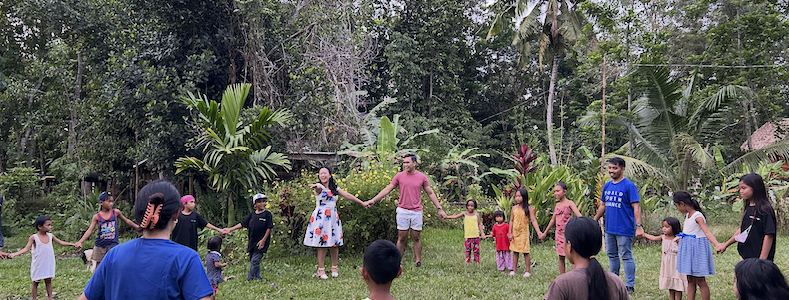
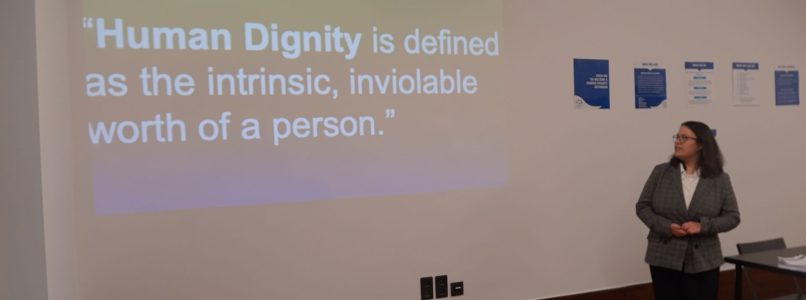
Launched in 2017, the Human Dignity Curriculum (HDC), was developed by a team of researchers, philosophers, and educators focused on developing a curriculum that assists in the personal development of youth. The curriculum was piloted in a variety of school settings across the United States of America, Mexico, Saint Lucia, and the Philippines with full implementation in various classroom settings in Africa, Europe, Latin America, and the Middle East (Human Dignity Curriculum, 2017). Based on the key premise that all human beings share a dignity that is intrinsic, inalienable, and unconditional, students are introduced to challenging, but accessible philosophical and anthropological ideas, i.e., action follows being, humans are subjects and not objects, capacity to choose enables excellence (Etinson, 2020; Lindwall and Lohne, 2021). In HDC, students engage in a variety of active learning strategies, i.e., theater skits, to explore, understand, and express their personal understanding of concepts such as responsibility, honesty, and creativity, in their daily lives. This innovative curriculum helps students to understand their human dignity and the dignity of others are foundational components to their personal identity as they develop their own inclusive worldview (Lansdown, 2020). This curriculum has never been formally evaluated.
The purpose of the current study is to understand the experience of school administrators and teachers implementing the Human Dignity Curriculum in small school settings in North America. Teachers’ comfort, commitment, and perceived support during the early implementation of this new socioemotional learning (SEL) curriculum was explored.
Study design and data collection
This study used an explorative qualitative research design using one-on-one interviews to ascertain the experience of school administrators and teachers teaching the Human Dignity Curriculum for the first time. The methodological orientation that guided data collection was a phenomenological perspective (Patton, 2008) seeking to understand the participants’ experience and insight into teaching a new socio-emotional learning curriculum (Rahman et al., 2019). The data was collected during seven face-to-face interviews, which took place between March 1st and June 13th, 2023. Interviews were held in-person, in a private room, at the school where the interviewees worked (n = 6). One interview was conducted online, on camera, using Zoom.
Interviews were selected for data collection as they typically provide detailed, insightful, information, allowing for time and privacy necessary to increase richness and depth of recall. It also allows participants to speak more openly without fear of reprisal from colleagues, students, or administration (Krueger, 2014). The interview was guided by four main questions informed by similar research (Ee and Cheng, 2013; Martínez, 2016): (1) Tell me about your experience while teaching HDC; (2) What was your commitment level to teaching HDC? (3) What was your comfort level with teaching HDC? (4) Did you feel supported by your administration when preparing and teaching HDC?
The interview guide was reviewed to check on the clarity of wording and sequencing of questions. Interviews were conducted by one trained research assistant with an estimated 120 h of interview experience. Interviews lasted approximately five to twenty-eight minutes, with an average interview length of sixteen minutes. Demographic data of interviewees was culled from the initial interview question.
Ethics approval and consent to participate
Ethics approval was given by Saint Mary’s University Research Ethics Board (REB file#24–070). School administrators (n = 2) and all teachers (n = 5) teaching HDC in grades 6–8 during the academic 2022–2023 school year were invited to participate in these interviews; they received a study information document and a paper consent form to assist in their decision. Participants were informed they could opt out of the study at any time, or skip interview questions, without consequences. Participants did not receive any remuneration for their time spent participating in the interview. Confidentiality was assured by having all personal identifiers removed from transcriptions of interviews. Gendered language used during the interviews was neutralized, i.e., she replaced with they, to further protect the identity of participants in these small schools. Data coders had no contact with the school study sites during data collection and unique codes, e.g., C.1, instead of names were used in transcripts. Transcripts have been saved on password-protected data sticks housed in locked filing cabinets in locked offices.
Data analysis
All interviews were audio-recorded and transcribed verbatim. Transcription was completed by professional service providers. Identifying information was removed after the transcription process. The interview transcripts were independently reviewed and verified for accuracy by the research assistant that conducted all interviews. Data were analyzed using inductive thematic analysis (Braun and Clarke, 2006). Two research team members independently familiarized themselves with all the interview transcripts, generated initial codes, and searched for themes. Themes were reviewed, modified, and named. Themes were established in consultation with a third coder.
Results
“The high bar for behavior comes with teaching children what it means to be a human being, what it means to be valuable, what it means to not always thinking that the world revolves around you … [HDC] just teaches that in a very beautiful way, in a way that the children love to listen to. It’s not just a lecture, it’s the little activities that go with it. They get it. The role playing that I’ve seen them do, beautiful. Just great.”
-School Administrator, May 2023
Participant and site characteristics
Two small schools (<100) were invited to participate in this first formal evaluation of HDC (LaDuke et al., 2023). The American site was characterized as “[a place] for students who are experiencing learning struggles or behavioral problems … they are sent here to see if they can be more successful in a smaller environment.” [A.2] with small class sizes typically seven or fewer; the majority (86%) of students were male, with 100% of students having learning and/or behavioral struggles.
The small, private, faith-based, Canadian school also had fewer than 100 students which “often attracts students who have experienced adversity or struggles in other school settings.” Class size ranged from 17 to 21 students, with an even blend of male (45%) and female (55%) students. It was estimated by school administration that 40% of students in these grades have learning and/or behavioral struggles.
Seven participants (females = 3 and males = 4) with an estimated cumulative 50+ years of teaching experience participated in this study. The two school administrators (n = 2) held Bachelor of Education degrees, and all teachers (n = 5) had undergraduate degrees, with three possessing special education training. Teachers held a broad range of teaching experience ranging from 1 to 27 years. Both administrators and most teachers (n = 4) had taught a wide variety of subjects, i.e., math, music, at multiple grade levels ranging from K to 12 in both private and public-school settings. Administrators had 30+ years of cumulative experience in school administration.
Themes
Five themes were identified in the data: (1) user-friendly curriculum, (2) high value curriculum, (3) teachers felt supported during implementation, (4) shared language, and (5) shared teacher-student experience evolved as HDC was taught.
User-friendly curriculum
All the teachers (n = 5) interviewed stated they experienced a high level of comfort teaching HDC. Administrators (n = 2) agreed. “It wasn’t complicated. They’re able to just take it and implement it. I think that’s great…” [A.3] The curriculum was perceived to be focused, comprehensive, flexible, and efficient with lesson plans that contain clear directions, prompts, and engaging activities. Teachers commented that HDC was “really simple to learn, to teach, to grasp.” [C.3], “very straightforward” [A.1, C.3], “user friendly” [A.1, C.4] with “step by step direction.” [A.2] One teacher explained, “Honestly, I was very comfortable with it … the way it’s paced … even from the first lesson … anybody could teach it…” [A.2].
Flexibility in lesson plans and the variety of active learning exercises were consistently mentioned; “[I] was very impressed with the different activities that came up with each session and loved it.,” [C.2] and the “different ways to present the information … I really like that freedom…” [A.1] One administrator corroborated teachers’ experience, stating “The teachers were able to be creative, add in pieces they thought would be more relatable … they could take the activities right off the paper and implement it … it’s been successful in our building.” [A.3].
Teachers sometimes experience anxiety specific to curriculum content they may perceive as daunting, i.e., mathematical concepts (Ramirez et al., 2018). A similar dynamic may also have been present when tasked with teaching abstract constructs, i.e., dignity, however this did not appear to be the case. One teacher stated, “There wasn’t anything that I felt like I wasn’t prepared to talk about or answer questions if asked…” [C.1] A similar sentiment by A.1, “I could leave the directions with the sub, and they would be followed. It’s that simple that someone could come in and be able to read and like, “Okay, this is what I have to do.” I really enjoyed that…”
Concerns regarding the amount of content in each lesson was raised. One teacher commented “I find it’s all exciting, all good, but sometimes it can just feel like a lot.” [C.3] one of the administrators also noted, “Sometimes [the teachers] would not get to certain things that were on the timeline ….” [A.3].
High value curriculum
Successful implementation of curriculum heavily depends on the attitudes of the educators teaching the material (Martínez, 2016; Kim and Hong, 2019). Teachers were asked how they felt about HDC before they began teaching and after completing a 10-week HDC module in their classroom.
Initial reaction to HDC
All teachers interviewed (n = 5) recalled feeling positive about HDC before teaching it. “I think from the very start, everyone was very impressed and excited…” [C.3] For instance, C.4 recalled “I thought it was a good initiative.” and many teachers expressed similar sentiments. “I was feeling fairly committed [before I began], I was familiar enough with the curriculum to see its value and its importance … I was excited.” [C.1] Likewise, “My first impression of HDC was it was a really exciting curriculum. I like the way it uses language in an intentional way … [I was] happy to try it and see how it worked.” [C.3] Another teacher said, “I was comfortable with it. A little apprehensive before we got it in our hands. But once I got it, it’s just figuring out how I wanted to do it and present the information…” [A.1].
Both administrators held strong positive attitudes toward HDC before implementing it in their schools. “I loved the idea of it, and I knew it fit right.” [C.2] and “… I felt like this was going to be a good program, so it was important for us, to pick those teachers that we knew were going to be energetic about it and really wanted to teach it and put their all into it…” [A.3].
Post-program delivery attitudes
After HDC was taught, administrators were still very positive stating they “absolutely love it” [C.2] and “… in full support of them doing it next year. ‘[A.3] and had already recommended HDC to other schools and community groups [A.3, C.2]. Teachers (n = 5) stated teaching HDC “was really positive [C.3] … super easy to do … simple compared to how much time it takes [C.4] … worth it.” [C.4, C.1]. “I would recommend this to everyone … hopefully, we keep using it…” [A.1] “I think it’s a great program … it’s valuable … it’s well worth it for kids, for teachers, for everyone to be adopting this language ….” [C.3]. When asked if they would recommend HDC to other teachers all teachers said “yes” (n = 5).
Teachers felt supported during implementation
All teachers reported feeling supported by their principals as they taught HDC (n = 5). This support was noted in a threefold manner. Firstly, one teacher explained, the administrators “Actually, they did a lot by not doing a lot, if that makes sense. Just their positivity and their willingness to accept whatever we were doing…” [A.2] Another teacher said, “We would tell them things that we were doing, and they’d get excited. They trusted us, and they knew we would use it in a way that would be beneficial to the children. So, yeah, support, 100%…” [A.1] Secondly, administrators actively supported teachers during HDC lessons. For instance, the administrator was present and said, “Go on, take more time. I can see that they are excited about what’s going on ….” [C.2] Another teacher said, “My principal on more than one occasion, asked “Oh, can I say something?” and wanted to define something or highlight something … it gets you excited … HDC elicits that type of response…” [C.3] Thirdly, school administrators supported teachers by reinforcing HDC topics when interacting with students outside the classroom. For example, “Our [administrator] will even bring it [HDC] up …, “Oh, [your teacher] has been telling me what you guys have been doing…” [A.2] Support from the curriculum provider [C.1, A.1, C.4] and the school district [A.2] was also noted.
Shared language evolved
When asked about their experience teaching HDC, teachers reflected on how this curriculum has facilitated communication with their students. They noticed a common lexicon emerging, “I feel like there is increased understanding because of HDC, we are now all speaking the same language … they are understanding me clearly.” [C.3] Teachers repeatedly (n = 5) reported the language introduced in HDC was useful for addressing positive and negative student behaviors. “The curriculum’s been very useful … like when I say, “You’re not really treating that person with dignity.” students know exactly what you mean, instead of, “Oh, you are bullying them, or you are being mean to them.” which can mean so many things.” [C.4] Another teacher, also indicated the value of HDC language when disciplining students “I bring kids in the hallway and I talk with them and say, “Was that an excellent choice?.” [C.3, C.2] The language of HDC was also helpful for affirming positive behaviors, “You just made them feel like an amazing human being by what you did.,” [C.1] and helping students envision prosocial behaviors, “Is this how friends act?” [C.3].
Shared teacher-student experience evolved
Many teachers shared how they were personally benefiting from teaching HDC. “I enjoyed teaching it because I could relate to it just as much as the students. I got to think about these things in a new way. I think the students took away a lot of this, and myself.” [C.4] Another teacher noticed similar changes in their word choice, “I guess I can hear it in my own language … it seems to be something that permeates the students and myself…,” [C.3] as another teacher admitted, “I think I’ve changed [from teaching HDC]…” [A.1].
Teachers also noted that teaching the curriculum necessitated self-reflection, honesty, and authenticity, telling students “You get to learn more about yourself as a person and myself as well. This is going to open us both up. We’re going to learn things about each other … and do not think these are something that just young people do, no…” [A.2].
Teachers noted that once the language of HDC was understood and assimilated it permeated more than the daily lesson, “It [HDC] seems to permeate all of our discussions. It’s something that we have… and it can exist in any discussion or any topic that we talk about…” [C.3] Another teacher also referred specifically to the discussions, stating, “the discussions, actually, were really some of my favorite ….” [A.1].
Discussion
“I think just bringing it all back to the respect piece, that everybody deserves respect no matter who they are, no matter where that they’re at, and what station they are in life.”
-School Administrator, 2023
All administrators and teachers interviewed (n = 7) conveyed support for the Human Dignity Curriculum (HDC) before and after adopting the curriculum. They endorsed HDC characterizing it as “straightforward,” [A.1, C.3] “simple to learn and to teach and to grasp,” [C.3] “easy to implement,” [C.2] with well organized, teacher-friendly lesson plans that contain clear directions, prompts, and highly engaging activities. Teachers [C.1, A.2, C.4, A.1] repeatedly noted the flexibility in lesson plans that allowed for inclusion of resources they were more familiar with from previous teaching and the freedom to choose active learning exercises best suited for their students. This is important as previous research on SELs have identified rigidity of curriculum to be a common barrier to effective program implementation (Moldovan, 2020; Oberle et al., 2020). Teachers’ initial attitudes toward the Human Dignity Curriculum were positive. The receptivity of teachers delivering programs is important (Lendrum et al., 2016) and likely contributed to the successful implementation of HDC (Martínez, 2016).
Despite the widespread approval for HDC throughout the interviews, the feedback from one teacher warrants further exploration in future evaluations/studies. This teacher [C.3] repeatedly stated they “wish we had more time” and often made decisions to “scratch that” when engaging daily lesson plans. A school administrator [A.3] confirmed teachers in their school were not always reaching intended milestones that could reflect the flexibility inherent in the curriculum, however, it could also indicate there is too much content in some lessons. If left unchecked, educators consistently dropping material from lessons could potentially compromise the integrity of the HDC program. Degradation of excellent programs is not uncommon and needs to be carefully guarded against with diligent maintenance of a program once implemented (Chen, 2005). The curriculum provider may want to consider developing an implement, i.e., checkboxes on lesson plans, that would allow teachers, administrators, and evaluators to track material engaged to inform future revisions of HDC. This modification would also allow for a more accurate assessment of the program “dosage” being delivered (Durlak and DuPre, 2008; Reynolds et al., 2011; Kuhn and Marvin, 2016). Future studies investigating HDC might also consider measuring “multiform dosage” that include incorporating non-lesson-based strategies to incorporate SEL materials in the school day such as modeling desired behavioral outcomes during routine interactions with students, incorporating HDC material in other non-SEL classes/lessons, i.e., literature studies, and integrating SEL content into students’ interactions throughout the day (Devlin et al., 2023; Lee et al., 2023). These efforts would also contribute to a wider school-based implementation desired by teachers and administrators interviewed. [C.2, A.3, C.1, C.3].
Feedback during interviews indicated teachers felt highly supported by both administrators and the curriculum providers. Again, this is indicative of a successful implementation of program (Sooknanan, 2023) and potential positive outcomes for students (Akelaitis and Janiunaite, 2023). Data from the teacher interviews identified three distinct ways administrators supported the implementation of HDC; by (1) championing their efforts in “doing nothing,” (2) confirming teachers’ efforts when encountering students in hallways/schoolwide assemblies, and (3) dropping into classrooms when HDC was being taught. All three of these types of support reported by the teachers have been cited in the literature as part of effective administration practice (Grissom et al., 2021; Stronge and Xu, 2021).
The Human Dignity Curriculum demonstrated a “strong fit” with two small schools in North America, one public school servicing at-risk youth and a private school with a faith-based directive. The fact HDC was well received, successfully implemented, and enjoyed by staff in both settings increases the generalizability of the current study’s findings. HDC works “very well” [A.3] with students struggling with behavioral/learning difficulties, as well as those who do not share those difficulties. Future evaluations of HDC should consider including other types of school and community settings (Hurd and Deutsch, 2017; Chu and DeArmond, 2021).
Limitations and strengths
The sample in this study is small and idiosyncratic (n = 7); therefore, the generalizability of the current study’s findings to similar or dissimilar schools is unknown. Further, due to the limited number of interviews conducted it is possible code saturation was not achieved (Hennink et al., 2019) thereby warranting more investigation. It should also be noted that one of the school administrators chose teachers they “knew were going to be energetic about it and really wanted to teach it” [A.3] thus it is unknown if similar results would have been obtained if those teachers had not been selected by their principal.
Strengths of the current study, include the diversity of interviewees included both males (n = 4) and females (n = 3), and four of the five teachers interviewed had 10 or more years of teaching experience. Further, participants were not a self-selected group; in which case concerns that those who did not enjoy teaching HDC opted out of the study. All teachers that taught HDC in their middle school (n = 5) accepted the invitation to interview; participants did not receive any remuneration for their time spent participating in the interview. Members of the research team conducting data coding did not have any personal contact with interviewees. Finally, HDC was successfully implemented in both a private and public-school setting each with a different mission and mandate, suggesting these findings may generalize to other school settings.
Implications for practice and research
The shared language and experience students and teachers developed with HDC was notable and may hold potential in addressing broader social issues involving conflict and social upheaval. HDC facilitated communication between teachers and students and may hold implications for increasing teacher wellness as well as for students (Sandilos et al., 2023). Typical SEL impacts, i.e., empathy, coupled with the HDC lexicon that recognizes a universal shared humanity may deserve investigation examining secondary impacts on attitudes related to bullying and interpersonal violence (Nickerson et al., 2019), prejudicial attitudes toward newcomers (Crooks et al., 2022), and stigmatization of underserved groups (Wittlin et al., 2023).
Conclusion
Teachers perceived HDC to be a well-crafted, high-value, user-friendly, flexible, socio-emotional learning curriculum with a variety of engaging active learning options for each lesson. Implementing HDC generated a common language to communicate about negative, e.g., school infractions, and positive, e.g., personal growth, behaviors in students. Teachers felt they were personally and positively impacted by teaching HDC. Teachers felt supported throughout the delivery of HDC, and administrators felt it was a strong fit with their school setting. All interviewees stated they would highly recommend HDC to another teacher or school. This novel SEL curriculum warrants further investigation.
Data availability statement
The original contributions presented in the study are included in the article/supplementary material, further inquiries can be directed to the corresponding author.
Ethics statement
The studies involving humans were approved by the St. Mary’s University, SMU REB File #24–070. The studies were conducted in accordance with the local legislation and institutional requirements. The participants provided their written informed consent to participate in this study.
Author contributions
ML: Conceptualization, Writing – original draft, Formal analysis.
Funding
The author(s) declare that no financial support was received for the research, authorship, and/or publication of this article.
Acknowledgments
The author wishes to thank the interview participants who generously gave their time after a full and exhausting day in their classrooms, the research assistants for conducting interviews and their meticulous, excruciating detailed coding of the data.
Conflict of interest
The author declares that the research was conducted in the absence of any commercial or financial relationships that could be construed as a potential conflict of interest.
Publisher’s note
All claims expressed in this article are solely those of the authors and do not necessarily represent those of their affiliated organizations, or those of the publisher, the editors and the reviewers. Any product that may be evaluated in this article, or claim that may be made by its manufacturer, is not guaranteed or endorsed by the publisher.
References
Ağırkan, M., and Ergene, T. (2022). What does the social and emotional learning interventions (SEL) tell us? A meta-analysis. Rev Psicod 27, 97–108. doi: 10.1016/j.psicoe.2022.02.002
Crossref Full Text | Google Scholar
Akelaitis, A., and Janiunaite, B. (2023). “Barriers to the implementation of social emotional learning programs: the point of view of urban and rural school teachers” in Handbook of research on education institutions, skills, and jobs in the digital era (IGI Global), 194–215.
Google Scholar
Bouffard, S. (2021). The need for SEL is greater than ever. Learn. Prof. 42:5.
Google Scholar
Brackett, M. A., Reyes, M. R., Rivers, S. E., Elbertson, N. A., and Salovey, P. (2012). Assessing teachers’ beliefs about social and emotional learning. J. Psychoeduc. Assess. 30, 219–236. doi: 10.1177/0734282911424879
Crossref Full Text | Google Scholar
Braun, V., and Clarke, V. (2006). Using thematic analysis in psychology. Qual. Res. Psychol. 3, 77–101. doi: 10.1191/1478088706qp063oa
Crossref Full Text | Google Scholar
Cavioni, V., Grazzani, I., and Ornaghi, V. (2020). Mental health promotion in schools: a comprehensive theoretical framework. Int. J. Emot. Educ. 12, 65–82.
Google Scholar
Chen, H. T. (2005). Practical program evaluation: Assessing and improving planning, implementation, and effectiveness. London, UK: Sage.
Google Scholar
Chu, L., and DeArmond, M. (2021). Approaching SEL as a whole-school effort, not an add-on: lessons from two charter networks : Center on Reinventing Public Education Available at: https://eric.ed.gov/?id=ED615152.
Google Scholar
Corcoran, R. P., Cheung, A. C., Kim, E., and Xie, C. (2018). Effective universal school-based social and emotional learning programs for improving academic achievement: a systematic review and meta-analysis of 50 years of research. Educ. Res. Rev. 25, 56–72. doi: 10.1016/j.edurev.2017.12.001
Crossref Full Text | Google Scholar
Crooks, C. V., Kubishyn, N., Noyes, A., and Kayssi, G. (2022). Engaging peers to promote well-being and inclusion of newcomer students: a call for equity-informed peer interventions. Psychol. Sch. 59, 2422–2437. doi: 10.1002/pits.22623
Crossref Full Text | Google Scholar
Devlin, B. L., Paes, T. M., Geer, E. A., Bryant, L. M., Zehner, T. M., Korucu, I., et al. (2023). Moving beyond dosage and adherence: a protocol for capturing dimensions of active child engagement as a measure of fidelity for social-emotional learning interventions. Front. Psychol. 13:1014713. doi: 10.3389/fpsyg.2022.1014713
Crossref Full Text | Google Scholar
Diaz-Larenas, C., Alarcon Hernandez, P., and Ortiz Navarrete, M. (2015). A case study on EFL teachers’ beliefs about the teaching and learning of English in public education. Porta Linguarum 23, 171–186. doi: 10.30827/Digibug.53765
Crossref Full Text | Google Scholar
Durlak, J. A., and DuPre, E. P. (2008). Implementation matters: a review of research on the influence of implementation on program outcomes and the factors affecting implementation. Am. J. Community Psychol. 41, 327–350. doi: 10.1007/s10464-008-9165-0
PubMed Abstract | Crossref Full Text | Google Scholar
Durlak, J. A., Mahoney, J. L., and Boyle, A. E. (2022). What we know, and what we need to find out about universal, school-based social and emotional learning programs for children and adolescents: a review of meta-analyses and directions for future research. Psychol. Bull. 148, 765–782. doi: 10.1037/bul0000383
Crossref Full Text | Google Scholar
Ee, J., and Cheng, Q. L. (2013). Teachers’ perceptions of students’ social emotional learning and their infusion of SEL. J. Teach. Teach. Educ. 1, 59–72. doi: 10.12785/jtte/010201
Crossref Full Text | Google Scholar
Etinson, A. (2020). What’s so special about human dignity? Philos Public Aff 48, 353–381. doi: 10.1111/papa.12175
Crossref Full Text | Google Scholar
Grissom, J. A., Egalite, A. J., and Lindsay, C. A. (2021). How principals affect students and schools. Wallace Found. 2, 30–41.
Google Scholar
Gueldner, B. A., Feuerborn, L. L., and Merrell, K. W. (2020). Social and emotional learning in the classroom: promoting mental health and academic success. New York, USA: Guilford Publications.
Google Scholar
Harris, M. A., and Orth, U. (2020). The link between self-esteem and social relationships: a meta-analysis of longitudinal studies. J. Pers. Soc. Psychol. 119, 1459–1477. doi: 10.1037/pspp0000265
PubMed Abstract | Crossref Full Text | Google Scholar
Hennink, M. M., Kaiser, B. N., and Weber, M. B. (2019). What influences saturation? Estimating sample sizes in focus group research. Qual. Health Res. 29, 1483–1496. doi: 10.1177/1049732318821692
PubMed Abstract | Crossref Full Text | Google Scholar
Human Dignity Curriculum (2017). Available at: https://humandignitycurriculum.org/
Google Scholar
Hurd, N., and Deutsch, N. (2017). SEL-focused after-school programs. Futur. Child. 27, 95–115. doi: 10.1353/foc.2017.0005
Crossref Full Text | Google Scholar
Keles, B., McCrae, N., and Grealish, A. (2020). A systematic review: the influence of social media on depression, anxiety and psychological distress in adolescents. Int. J. Adolesc. Youth 25, 79–93. doi: 10.1080/02673843.2019.1590851
Crossref Full Text | Google Scholar
Kim, D. S., and Hong, C. E. (2019). Social and emotional learning in a classroom: language arts and literacy teachers’ perceptions and practices in south korea and the united states. ie: inquiry in education 11:7.
Google Scholar
Krueger, R. A. (2014). Focus groups: a practical guide for applied research. London, UK: Sage Publications.
Google Scholar
Kuhn, M., and Marvin, C. A. (2016). “Dosage” decisions for early intervention services. Young Except. Child. 19, 20–34. doi: 10.1177/1096250615576807
Crossref Full Text | Google Scholar
LaBelle, B. (2023). Positive outcomes of a social-emotional learning program to promote student resiliency and address mental health. Contemp. Sch. Psychol. 27, 1–7. doi: 10.1007/s40688-019-00263-y
Crossref Full Text | Google Scholar
LaDuke, N., Mayworm, A. M., Mullen, W., and Connors, E. H. (2023). “Implementing social-emotional health screening and scaling up evidence-based interventions: lessons learned in an urban high school,” in Systems Consultation and Change in Schools: Integrating Implementation Science into Practice. Cham: Springer International Publishing, 109–134.
Google Scholar
Lansdown, G. (2020). Strengthening child agency to prevent and overcome maltreatment. Child Abuse Negl. 110:104398. doi: 10.1016/j.chiabu.2020.104398
Crossref Full Text | Google Scholar
Lawson, G. M., McKenzie, M. E., Becker, K. D., Selby, L., and Hoover, S. A. (2019). The core components of evidence-based social emotional learning programs. Prev. Sci. 20, 457–467. doi: 10.1007/s11121-018-0953-y
PubMed Abstract | Crossref Full Text | Google Scholar
Lee, I., and Perret, B. (2022). “Preparing high school teachers to integrate AI methods into STEM classrooms” in Proceedings of the AAAI Conference on Artificial Intelligence, 12783–12791.
Google Scholar
Lee, J., Shapiro, V. B., and Kim, B. K. E. (2023). Developing and testing a measure of “multiform dosage” to support the implementation of school-based SEL interventions. Contemp. Sch. Psychol. 36, 12783–12791. doi: 10.1007/s40688-023-00474-4
Crossref Full Text | Google Scholar
Lendrum, A., Humphrey, N., and Greenberg, M. (2016). “Implementing for success in school-based mental health promotion: the role of quality in resolving the tension between fidelity and adaptation” in Mental Health and Wellbeing Through Schools eds R. H. Shute, P. T. Slee (London, UK: Routledge), 53–63.
Google Scholar
Lindwall, L., and Lohne, V. (2021). Human dignity research in clinical practice–a systematic literature review. Scand. J. Caring Sci. 35, 1038–1049. doi: 10.1111/scs.12922
PubMed Abstract | Crossref Full Text | Google Scholar
Llamas-Díaz, D., Cabello, R., Megías-Robles, A., and Fernández-Berrocal, P. (2022). Systematic review and meta-analysis: the association between emotional intelligence and subjective well-being in adolescents. J. Adolesc. 94, 925–938. doi: 10.1002/jad.12075
Crossref Full Text | Google Scholar
Margot, K. C., and Kettler, T. (2019). Teachers’ perception of STEM integration and education: a systematic literature review. Int. J. STEM Educ. 6, 1–16. doi: 10.1186/s40594-018-0151-2
Crossref Full Text | Google Scholar
Martínez, L. (2016). Teachers’ voices on social emotional learning: identifying the conditions that make implementation possible. Int. J. Emot. Educ. 8, 6–24.
Google Scholar
McCoy, D. C., and Hanno, E. C. (2023). Systemic barriers and opportunities for implementing school-based social–emotional learning interventions in low-income and conflict-affected settings. Front. Psychol. 14:1011039. doi: 10.3389/fpsyg.2023.1011039
PubMed Abstract | Crossref Full Text | Google Scholar
Moldovan, K. L. (2020). School-based social-emotional learning programs in an urban setting: barriers and facilitators from the perspective of those who implement them : ETD Archive Available at: https://engagedscholarship.csuohio.edu/etdarchive/1215.
Google Scholar
Muliyah, P., and Aminatun, D. (2020). Teaching English for specific purposes in vocational high school: teachers’ beliefs and practices. J. Engl. Teach. 6, 122–133.
Google Scholar
Nickerson, A. B., Fredrick, S. S., Allen, K. P., and Jenkins, L. N. (2019). Social emotional learning (SEL) practices in schools: effects on perceptions of bullying victimization. J. Sch. Psychol. 73, 74–88. doi: 10.1016/j.jsp.2019.03.002
PubMed Abstract | Crossref Full Text | Google Scholar
Oberle, E., Domitrovich, C. E., Meyers, D. C., and Weissberg, R. P. (2020). “Establishing systemic social and emotional learning approaches in schools: a framework for schoolwide implementation” in Social and Emotional Learning eds. N. Humphrey, A. Lendrum, M. Wigelsworth, M. T. Greenberg (London, UK: Routledge), 6–26.
Google Scholar
Owais, S., Tsai, Z., Hill, T., Ospina, M. B., Wright, A. L., and Van Lieshout, R. J. (2022). Systematic review and meta-analysis: first nations, Inuit, and Métis youth mental health. J. Am. Acad. Child Adolesc. Psychiatry 61, 1227–1250. doi: 10.1016/j.jaac.2022.03.029
PubMed Abstract | Crossref Full Text | Google Scholar
Pannebakker, F. D., Van Genugten, L., Diekstra, R. F., Gravesteijn, C., Fekkes, M., Kuiper, R., et al. (2019). A social gradient in the effects of the skills for life program on self-efficacy and mental wellbeing of adolescent students. J. Sch. Health 89, 587–595. doi: 10.1111/josh.12779
PubMed Abstract | Crossref Full Text | Google Scholar
Parr, E. J., Shochet, I. M., Cockshaw, W. D., and Kelly, R. L. (2020). General belonging is a key predictor of adolescent depressive symptoms and partially mediates school belonging. Sch. Ment. Heal. 12, 626–637. doi: 10.1007/s12310-020-09371-0
Crossref Full Text | Google Scholar
Patton, M. Q. (2008). Qualitative research and evaluation methods: integrating theory and practice. Thousand Oaks California, USA: Sage Publications.
Google Scholar
Paul, J., McQuaid, R. J., Hopkins, C., Perri, A., Stewart, S., Matheson, K., et al. (2022). Relations between bullying and distress among youth living in first nations communities: assessing direct and moderating effects of culture-related variables. Transcult. Psychiatry :13634615221109359. doi: 10.1177/13634615221109359. [Epub ahead of print].
PubMed Abstract | Crossref Full Text | Google Scholar
Portnow, S., Downer, J. T., and Brown, J. (2018). Reductions in aggressive behavior within the context of a universal, social emotional learning program: classroom-and student-level mechanisms. J. Sch. Psychol. 68, 38–52. doi: 10.1016/j.jsp.2017.12.004
PubMed Abstract | Crossref Full Text | Google Scholar
Rahman, M. M., Johan, M., Selim, S. M. M., Singh, M. K. M., and Shahed, F. H. (2019). Teachers’ beliefs and practices of implementing secondary English curriculum reform in Bangladesh: a phenomenological study. J. Asia TEFL 16, 591–607. doi: 10.18823/asiatefl.2019.16.2.10.591
Crossref Full Text | Google Scholar
Ramirez, G., Hooper, S. Y., Kersting, N. B., Ferguson, R., and Yeager, D. (2018). Teacher math anxiety relates to adolescent students’ math achievement. AERA Open 4:2332858418756052. doi: 10.1177/2332858418756052
PubMed Abstract | Crossref Full Text | Google Scholar
Reynolds, A. J., Temple, J. A., Ou, S. R., Arteaga, I. A., and White, B. A. (2011). School-based early childhood education and age-28 well-being: effects by timing, dosage, and subgroups. Science 333, 360–364. doi: 10.1126/science.1203618
PubMed Abstract | Crossref Full Text | Google Scholar
Sandilos, L. E., Neugebauer, S. R., DiPerna, J. C., Hart, S. C., and Lei, P. (2023). Social–emotional learning for whom? Implications of a universal SEL program and teacher well-being for teachers’ interactions with students. Sch. Ment. Heal. 15, 190–201. doi: 10.1007/s12310-022-09543-0
PubMed Abstract | Crossref Full Text | Google Scholar
Schiepe-Tiska, A., Dzhaparkulova, A., and Ziernwald, L. (2021). A mixed-methods approach to investigating social and emotional learning at schools: teachers’ familiarity, beliefs, training, and perceived school culture. Front. Psychol. 12:518634. doi: 10.3389/fpsyg.2021.518634
PubMed Abstract | Crossref Full Text | Google Scholar
Solomon, B. J. (2016). Programs don’t implement themselves: giving voice to teachers’ experiences with prevention Doctoral dissertation: University of Illinois at Chicago Available at: https://indigo.uic.edu/articles/thesis/Programs_Don_t_Implement_Themselves_Giving_Voice_to_Teachers_Experiences_with_Prevention/10782734.
Google Scholar
Sooknanan, N. (2023). Teachers’ perceptions of social emotional learning: concepts, barriers, and administrator support : Hofstra University Available at: https://www.proquest.com/openview/43dad7e8d052332741afa329bcc97e80/1?pq-origsite=gscholar&cbl=18750&diss=y.
Google Scholar
Stronge, J. H., and Xu, X. (2021). Qualities of effective principals. Alexandria, VA, United States: Association for Supervision and Curriculum Development (ASCD).
Google Scholar
Sun, J., Goforth, A. N., Nichols, L. M., Violante, A., Christopher, K., Howlett, R., et al. (2022). Building a space to dream: supporting indigenous children’s survivance through community-engaged social and emotional learning. Child Dev. 93, 699–716. doi: 10.1111/cdev.13786
PubMed Abstract | Crossref Full Text | Google Scholar
Van Meter, A. R., Knowles, E. A., and Mintz, E. H. (2023). Systematic review and meta-analysis: international prevalence of suicidal ideation and attempt in youth. J. Am. Acad. Child Adolesc. Psychiatry 62, 973–986. doi: 10.1016/j.jaac.2022.07.867
PubMed Abstract | Crossref Full Text | Google Scholar
Venné, H. C. (2022). The voices of school personnel: a case study examining a high school that implemented a school-wide SEL program : Wilkes University Available at: https://www.proquest.com/openview/c389d999b0b9f114e790750fe2dcd995/1?pq-origsite=gscholar&cbl=18750&diss=y.
Google Scholar
Wigelsworth, M., Verity, L., Mason, C., Qualter, P., and Humphrey, N. (2022). Social and emotional learning in primary schools: a review of the current state of evidence. Br. J. Educ. Psychol. 92, 898–924. doi: 10.1111/bjep.12480
PubMed Abstract | Crossref Full Text | Google Scholar
Wittlin, N. M., Kuper, L. E., and Olson, K. R. (2023). Mental health of transgender and gender diverse youth. Annu. Rev. Clin. Psychol. 19, 207–232. doi: 10.1146/annurev-clinpsy-072220-020326
Crossref Full Text | Google Scholar
Zins, J. E. (Ed.) (2004). Building academic success on social and emotional learning: what does the research say? Columbia University, New York, USA: Teachers College Press.
Google Scholar
Keywords: socio-emotional learning, curriculum, teacher, perception, experience, implementation, early evaluation
Citation: Law MA (2024) Human Dignity Curriculum: Teachers’ comfort, commitment, and perceived support teaching a new socioemotional learning curriculum. Front. Educ. 9:1427079. doi: 10.3389/feduc.2024.1427079
Received: 02 May 2024; Accepted: 24 July 2024;
Published: 01 August 2024.
Edited by:
Matthias Ziegler, Humboldt University of Berlin, Germany
Reviewed by:
Kesh Mohangi, University of South Africa, South Africa
Marina Kovacevic Lepojevic, University of Belgrade, Serbia
Copyright © 2024 Law. This is an open-access article distributed under the terms of the Creative Commons Attribution License (CC BY). The use, distribution or reproduction in other forums is permitted, provided the original author(s) and the copyright owner(s) are credited and that the original publication in this journal is cited, in accordance with accepted academic practice. No use, distribution or reproduction is permitted which does not comply with these terms.
*Correspondence: Moira A. Law, moira.law@smu.ca
†ORCID: Moira A. Law, https://orcid.org/0000-0003-4797-7807
Disclaimer: All claims expressed in this article are solely those of the authors and do not necessarily represent those of their affiliated organizations, or those of the publisher, the editors and the reviewers. Any product that may be evaluated in this article or claim that may be made by its manufacturer is not guaranteed or endorsed by the publisher.
View it on Frontiers: https://www.frontiersin.org/journals/education/articles/10.3389/feduc.2024.1427079/full?field&journalName=Frontiers_in_Education&id=1427079