Authors:
Clare Halpine, Director, Human Dignity Curriculum
Lord Pomperada, Philippines Expansion HDC
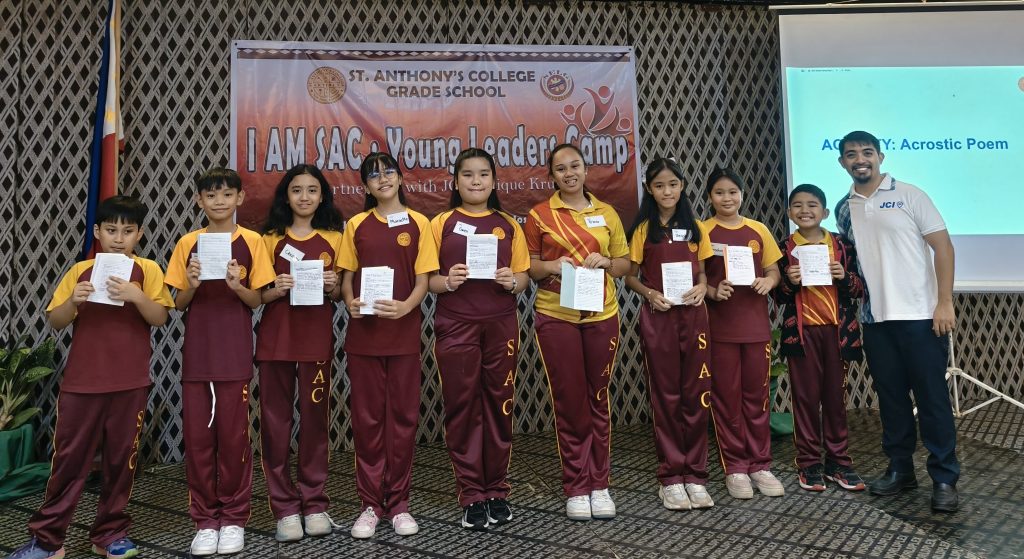
More than 4,500 public school students—from Kindergarten to high school—were taught a simple but life-changing truth: every human person has inherent dignity.
This is the core idea of the Human Dignity Curriculum (HDC), a K-12 curriculum that teaches personal identity and human excellence. The curriculum was recently piloted in four public schools in Balanga City and Bataan Province in the Philippines, under the Department of Education. The response showed that HDC is not just a “nice curriculum to have,” but urgently needed.
HDC Meets Students Where They Are
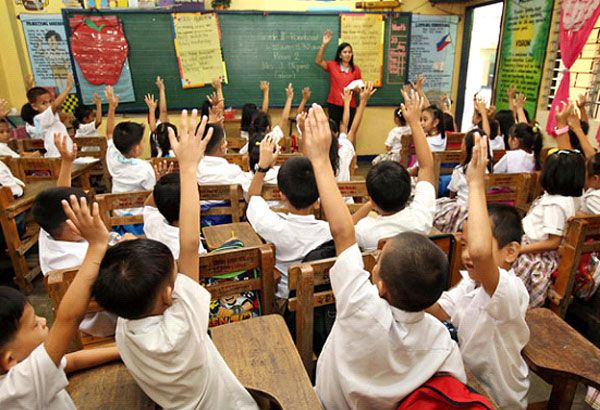
Three of the four pilot schools fully implemented the Human Dignity Curriculum, integrating it into existing subjects such as Homeroom Guidance, and even English, Music, Arts, and Physical Education classes. What the pilot results showed was striking: when students are trusted with big ideas and deep questions, like human dignity and freedom for excellence, they rise to the challenge.
At G.L. David Memorial Integrated School, a Grade 6 teacher shared that students realized that keeping their body healthy was not merely about appearance or sports, but an act of self-respect and recognition of one’s inherent worth.
In another classroom, Grade 9 students reflected that what sets humans apart is not strength or instinct, but reason, moral choice, and responsibility towards others.
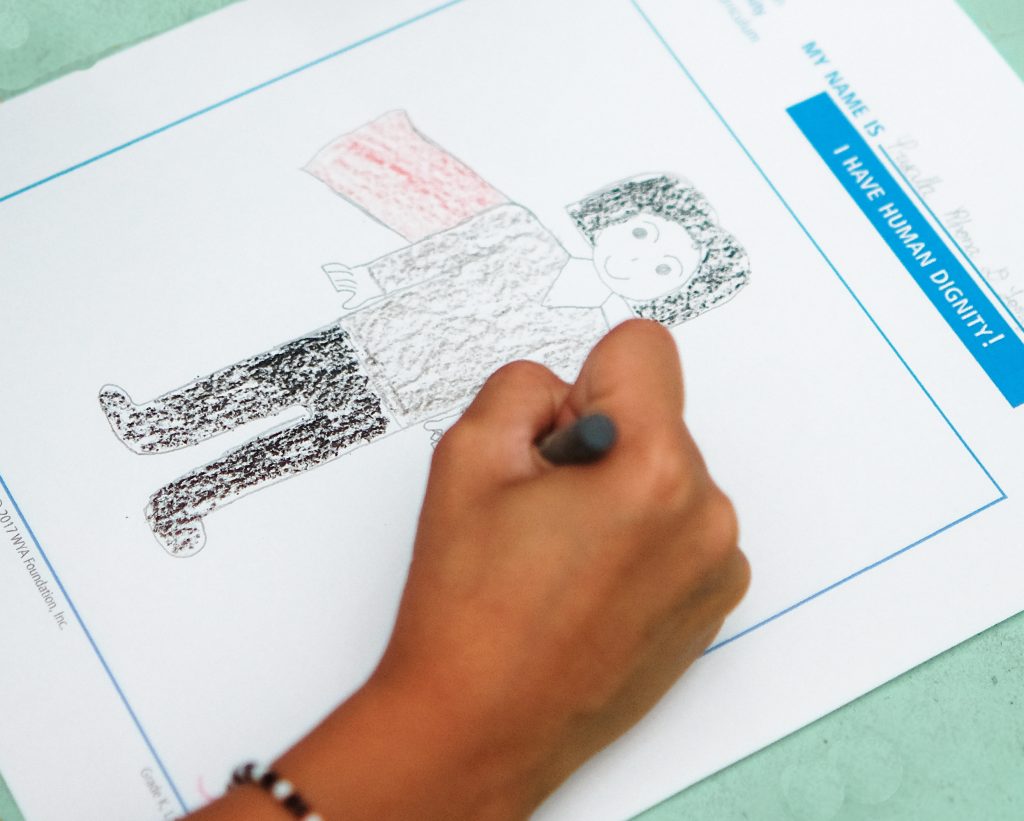
The Human Dignity Curriculum makes abstract ideas tangible through simple, creative activities that engage students. A Grade 4 classroom teacher had students tape their “I Have Human Dignity” worksheet to their desks, complete with their name, a superhero avatar, and the title “Dignity Defender,” so that it would be a daily reminder that they have the power to think and to choose to practice excellent habits. These ideas are explored in each grade of the Human Dignity Curriculum in order to help students understand that heroism is not something out of reach, but is developed through the everyday practice of making excellent choices.
Another teacher adapted lessons for struggling learners in the classroom, using pictures instead of words, to meet the students where they are, proving a key lesson of the HDC itself: respecting the dignity of the person requires attentiveness to the person in front of you.
Teachers Changed Too—and That Matters
At Bagong Silang Elementary School, where the HDC was fully implemented for all 691 learners, teachers reported something unexpected: the curriculum changed them as well.
By integrating HDC lessons across subjects, teachers found new ways to connect academics with personal excellence. Thanks to the HDC, teachers remarked that students showed greater respect, cooperation, and appreciation of differences. Teachers also reflected on their own responsibility to model these values for the students they teach.
Not every school was able to implement the HDC. Some schools faced familiar obstacles: limited time, competing priorities, lack of materials, and no clear lead person. Support and buy-in from leadership is essential to successful implementation. Additionally, using the language in the curriculum outside of the classroom in assemblies and other school gatherings, helps to build a shared vocabulary, fostering solidarity within the school environment.
In short, Human dignity education requires more than a few leftover minutes in a crowded timetable.
The Human Dignity Curriculum does not promise quick fixes. It asks hard questions. It inspires students to choose what is right—even when it is difficult. As some students themselves said in a school-made video:
- “It taught me to choose what is right.”
- “To strive for excellence.”
- “To be a good person and study well.”
The pilot in Balanga and Bataan confirms that when students understand their dignity, behavior changes: action follows being. While culture and norms drift, HDC provides an anchor for young people to know that human dignity and their value as human persons, is unconditional. For schools seeking to teach students to think critically, choose responsibly, and respect themselves and others—the HDC is not an optional enrichment program, it is a necessary foundation.